Restoring Hearts Supporting Hands exists because one mother refused to stop looking for her lost son — and when she found him, she understood that Jesus had been looking for him far longer than she had. Every person who walks through our door carries that same promise: He goes until He finds them.
This is not a story about a nonprofit founder who identified a market gap. It is a story about a mother who searched for her child while a system that was technically designed to help him had no room for the urgency of her love — or his need.
When Garrett Robinson finally found his way home — to sobriety, to stability, and to Jesus — his mother Carol asked the question that became everything: what happens to all the other lost sheep?
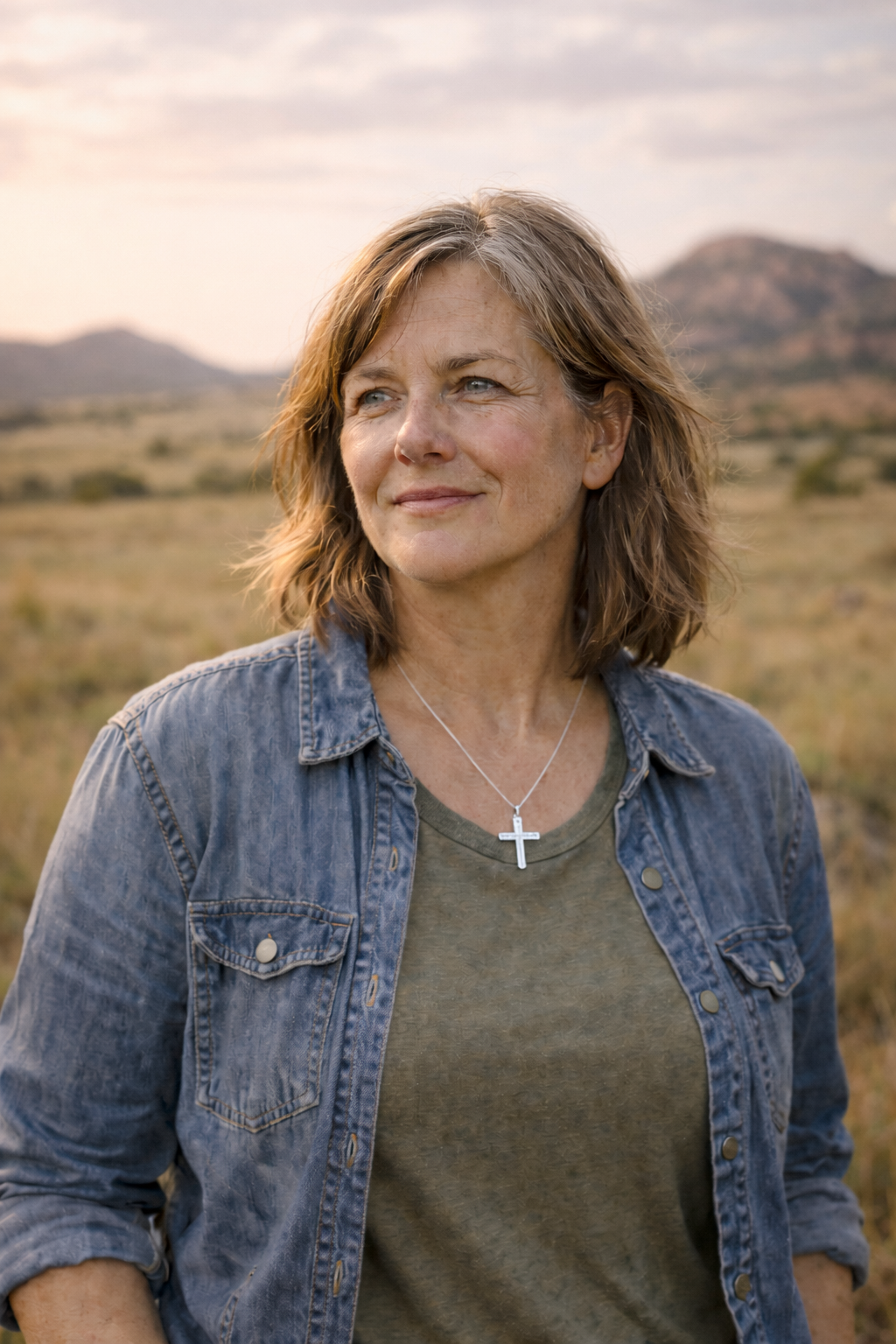
Carol Robinson didn't come to this work through a textbook. She came through the wilderness of watching her son disappear — and the long, desperate search to bring him home.
She grew up in southwest Oklahoma, earned her MSW from the University of Oklahoma, and spent years working at the intersection of behavioral health and human services in the Lawton-Fort Sill area. She knew the clinical language. She understood the research. She thought she understood what recovery required.
Then Garrett came home from five years in the Army — two tours to Afghanistan with the 10th Mountain Division — and everything changed. He came home to Lawton. To the city where he had grown up. To Fort Sill country, where service was in the air he had breathed his whole life. He carried PTSD that had no treatment plan and no language around it. The alcohol came first, then the opiates, each one a way of managing what he couldn't yet name. Shame and depression followed. He turned inward. And then, quietly, he disappeared.
The stigma of addiction kept Garrett silent. He couldn't tell his mother how far he had fallen. He didn't believe she could understand, or that anyone could. So he stopped reaching out. And Carol — a woman who knew every resource in the behavioral health system — couldn't find her son.
She looked anyway. She kept looking. Luke 15 became her chapter — the shepherd who leaves the ninety-nine and searches until the lost sheep is found. She was not going to stop.
When she finally found Garrett and brought him home to Lawton, what she discovered was not just an addiction. It was moral injury — the deep wound of believing you are beyond restoration. It was separation from Jesus — not because he had stopped believing, but because he couldn't believe he still belonged to Him.
The road home was long and it was hard. Together they fought for his health — through treatment, through the hard days, through the slow rebuilding of a life. And through it all, the thing that held was not a program. It was Jesus — working through people who refused to give up on him.
When Garrett reached two years of sustained recovery, Carol felt called. Not just relieved. Called. Because the question she could not stop hearing was this: what happens to all the other lost sheep — the ones without the peer support, the stable housing, the mental health connection, and most importantly the Jesus who makes recovery possible?
She took her MSW, her grief, her faith, and her son — and together they set out to build the answer. Restoring Wichita is Carol's response to the call she could not ignore: to be the hands of Jesus for every lost sheep who needs to find their way home.

Eight years at the intersection of behavioral health and human services in Lawton. Certified Nonprofit Professional. She knew the system — until she needed it for her own son.
Garrett served five years in the Army, deploying twice to Afghanistan with the 10th Mountain Division. He came home carrying PTSD that had no treatment plan. The alcohol followed, then the opiates. Shame kept him silent. He turned inward and eventually disappeared.
The stigma of addiction kept Garrett silent. Carol couldn't find him. She looked anyway — because that is what the shepherd does. She searched until she found him, and brought him home.
Together they fought for his health — through treatment, through the hard days, through the slow rebuilding. What held was not a program. It was Jesus, working through people who refused to give up.
When Garrett reached sustained recovery, Carol felt called to act. What about all the other lost sheep — the ones without someone who won't give up, and without access to the Jesus who makes recovery possible?
Together, Carol and Garrett set out to be the hands of Jesus for every lost sheep. Restoring Hearts Supporting Hands is established in Lawton in 2024 — with full services launching in 2026.
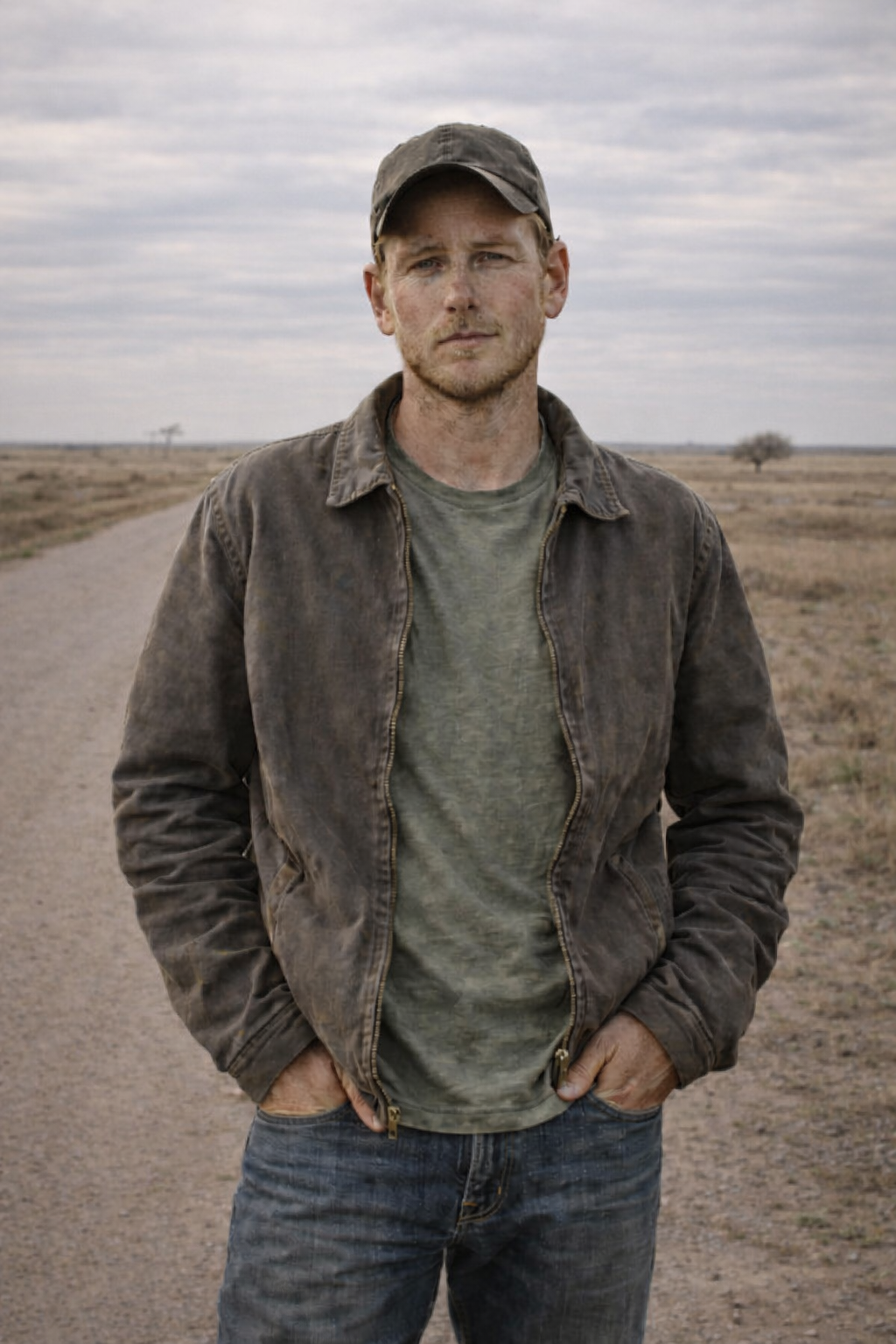
Garrett Robinson served five years in the United States Army — two tours to Afghanistan with the 10th Mountain Division. He came home carrying something he didn't have language for. The combat stress became PTSD. The PTSD became alcohol. The alcohol became opiates. And the shame of all of it — the belief that a man who had served should be able to hold it together — kept him silent long after he needed help. Depression moved in. He stopped reaching out. And eventually he disappeared.
The stigma of addiction kept him silent. He couldn't tell his mother how far he had fallen. He didn't believe she could understand — or that God still could either. So he disappeared. And for a time, Carol couldn't find him.
She found him anyway. She brought him home. And what they discovered together was not just an addiction to address — it was moral injury, the deep wound of believing you are beyond restoration. It was separation from Jesus, not from unbelief but from the conviction that he no longer belonged to Him.
The road back was long. It took peer support, stable housing, a counselor who actually called back, and a faith community that saved him a seat before he was ready to walk through the door. Everything Restoring Wichita is built to provide.
Garrett is now over two years into sustained recovery. He works alongside the people Restoring Wichita serves — as a Certified Peer Recovery Coach — offering the presence that was the turning point in his own story: someone who stays.
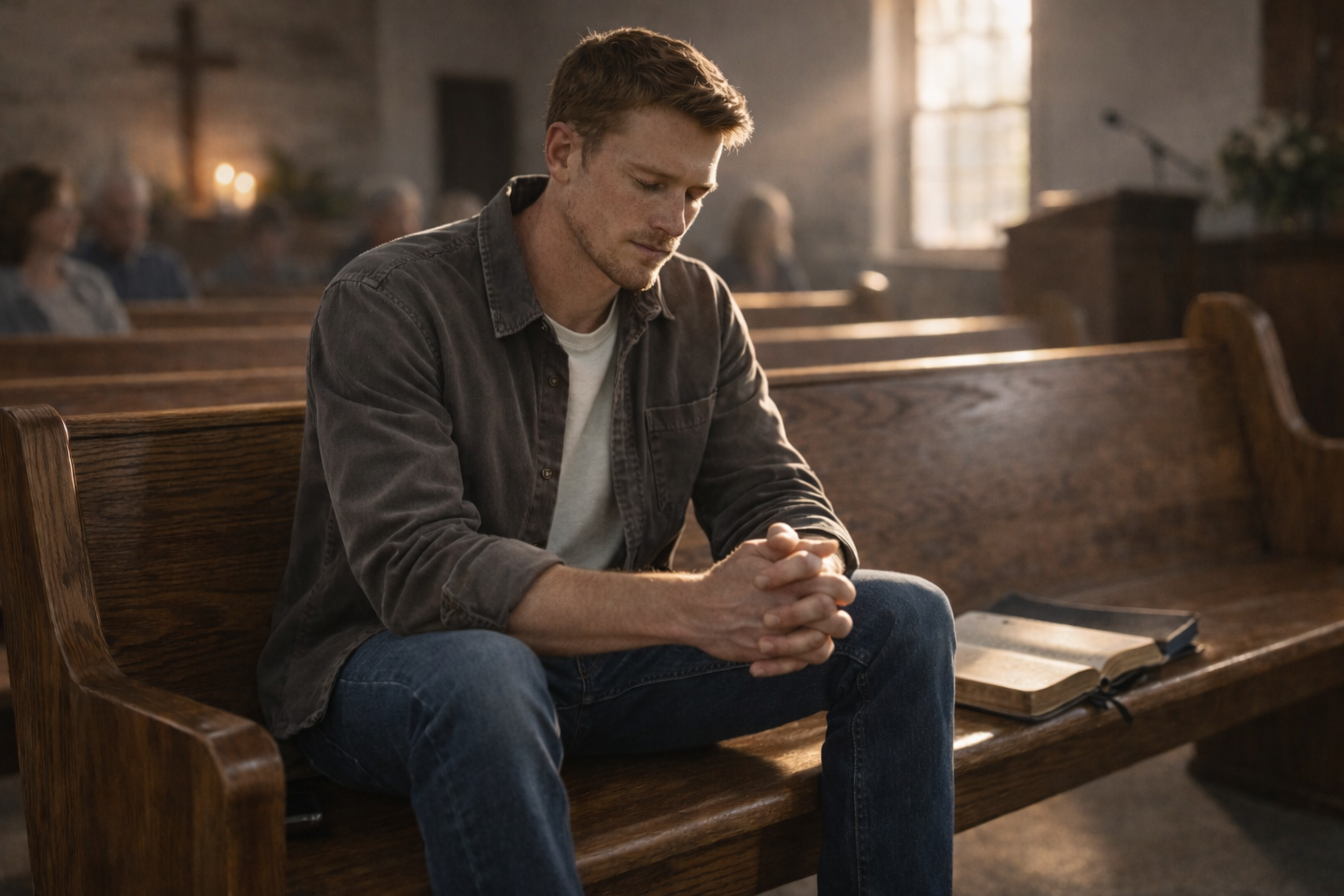
Garrett grew up in the church. He knew the words, knew the songs, knew what he was supposed to believe. But addiction doesn't just take the body — it takes the story a person has about themselves. For Garrett, that included his faith. He stopped going. Stopped praying. Decided, in the wordless logic of shame, that God had moved on without him.
He was wrong. Jesus had been looking for him the whole time — like the shepherd who leaves the ninety-nine and searches until the lost sheep is found. Garrett's story is Luke 15, lived in southwest Oklahoma. The son who disappeared. The mother who wouldn't stop looking. The Father who ran to meet him on the road home.
What brought Garrett back to faith was not a program or a curriculum. It was people who showed him Jesus — a peer coach who prayed with him without being asked, a congregation that welcomed him without conditions, a community that understood his recovery as the work of a God who does not abandon His sheep. He came back to Jesus before he came back to sobriety. In his experience, that is the order that matters.
Restoring Wichita was built on one conviction: that Jesus Christ restores the lost. We specialize in addiction recovery — but recovery is not a prerequisite for care. If a neighbor is hungry, we feed them. If a neighbor has no home, we find one. If a neighbor is lost in addiction, we walk alongside them. If a neighbor simply needs to know they are not forgotten — that is enough. We are the shepherd's hands for every lost sheep, whatever form their lostness takes.
The relationship that makes everything else possible. Certified coaches with lived experience who walk alongside clients from crisis to stability.
Food assistance, hygiene supplies, and essential resource connections. Immediate stability that makes recovery engagement possible.
Sobriety cannot be sustained in an unstable life. Navigation, referrals, and 30/60/90-day monitoring because housing is a recovery issue.
Warm handoffs to licensed providers via MOU agreements. Follow-up confirmation within 14 days. No unlicensed clinical services delivered.
Workshops on employment readiness, financial literacy, and daily living skills — supporting the transition from recovery to reintegration.
An 8-week Bible study and discipleship program for anyone who wants to know Jesus. Recovery begins in the soul — open to all, never required, always available.
These are not aspirational statements. They are the principles that emerged from Garrett's story, Carol's years of searching, and every lost sheep we have walked alongside since — in addiction, in hunger, in homelessness, and in the particular despair of believing no one is coming.
Every dollar tracked. Every outcome reported. We hold ourselves to the standard our clients deserve.
Sobriety without stability is fragile. We address the life around the addiction, not just the addiction.
Waitlists measure urgency in months. We measure it in hours. When someone reaches out, we respond the same day.
We are rooted in Lawton-Fort Sill. We know its systems, its gaps, and its communities. Local knowledge is everything.
We believe Jesus Christ is the one who makes recovery truly possible. This conviction is the foundation of everything we do — and our services are open to every person in recovery.
We publish exactly how every dollar is used and exactly what outcomes we delivered. No vague claims.
The word that matters is until. Not if he finds it. Not when it is convenient. Until. The shepherd leaves everything — the ninety-nine who are fine — for the one who is lost. He does not ask what made the sheep wander. He does not wait for the sheep to find its own way back. He goes. Carol Robinson went. That is the story Restoring Wichita was built from — and it is the promise every person who walks through our door receives. Whatever form your lostness takes, we will come after you until we find you. We will bring you home.