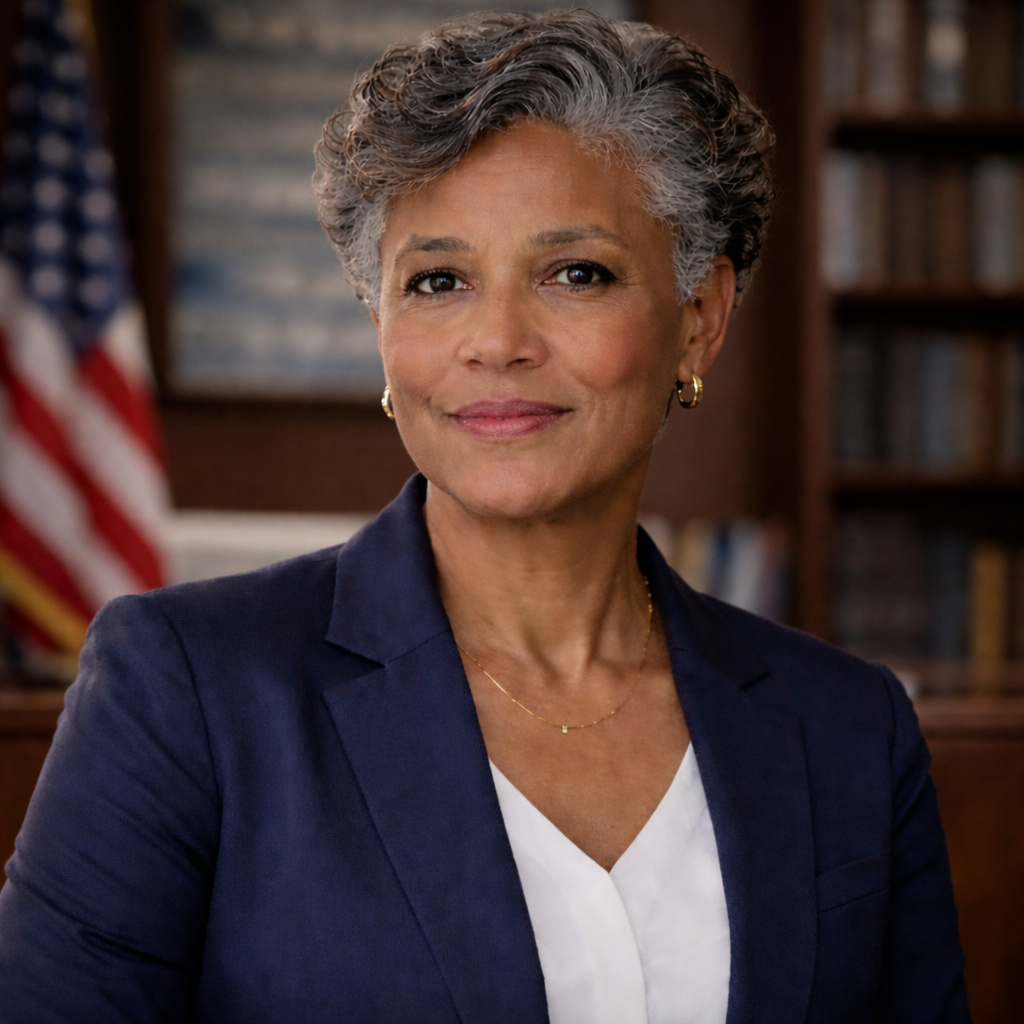
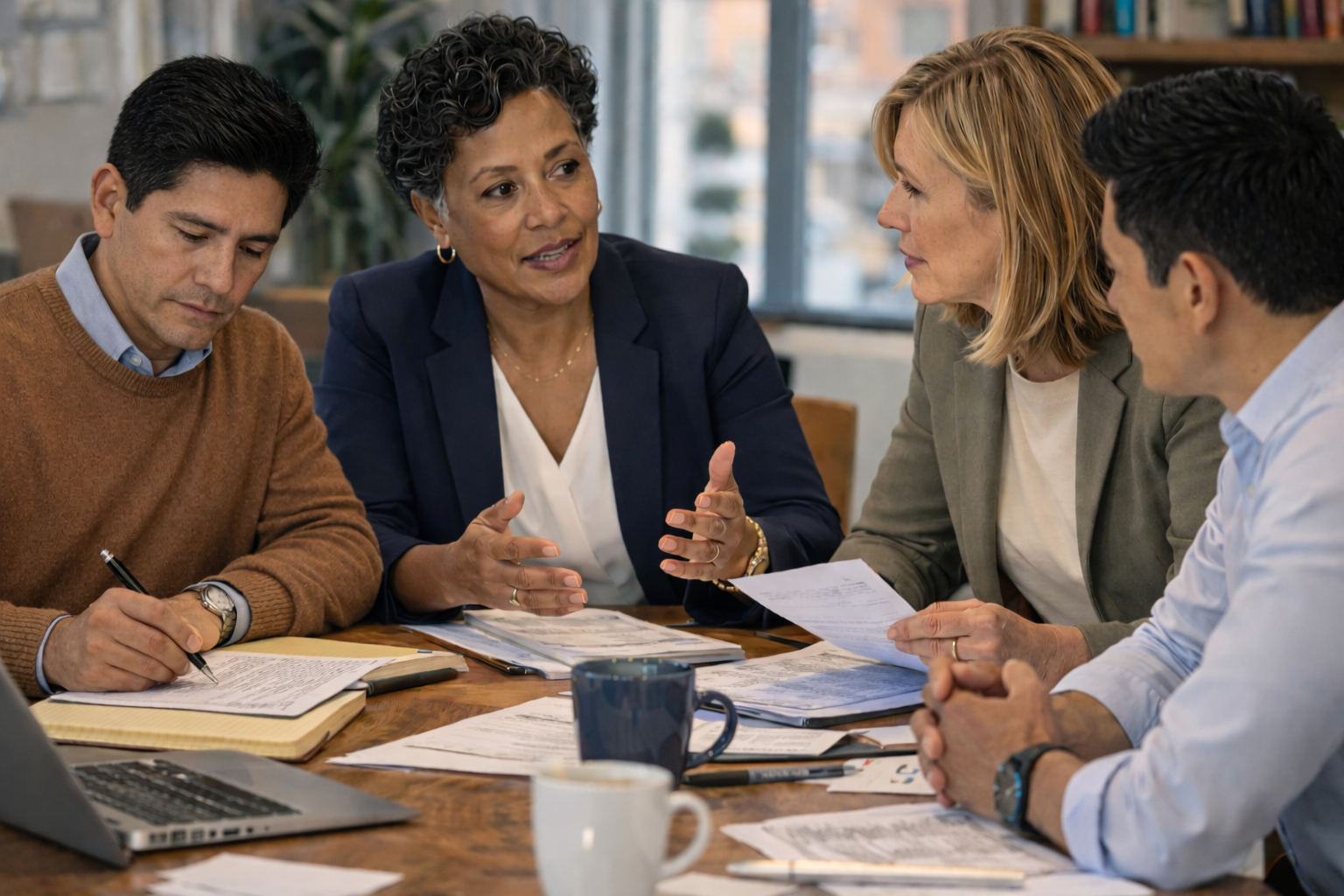
Restoring Wichita is governed by people who believe Jesus Christ makes recovery possible — and who have organized their professional expertise around that conviction. Every board member is here because they believe it too.
EIN: 93-4976456
Quarterly meetings · Annual review · Financial oversight
Dual authorization · Treasurer oversight · Cloud accounting
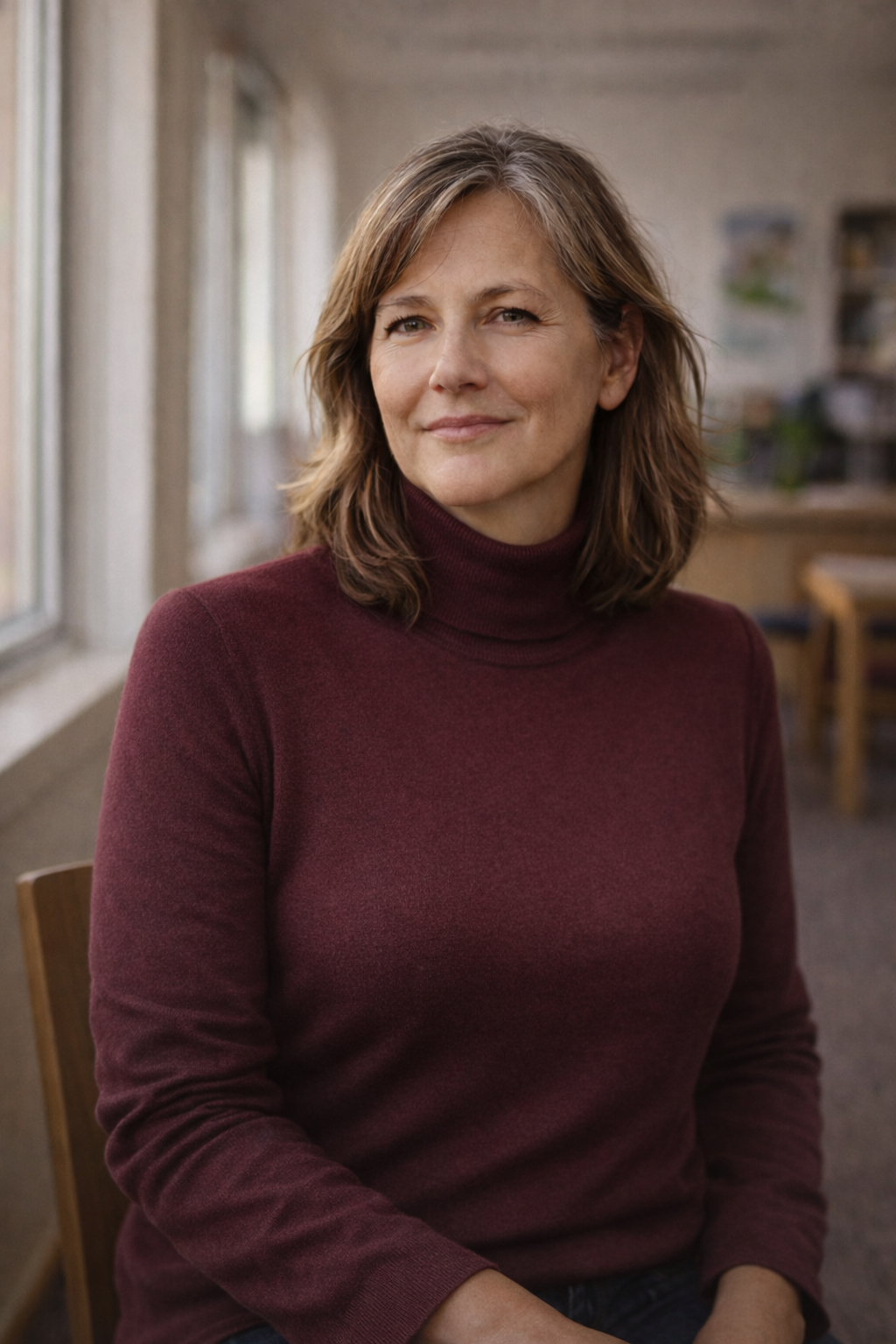
Carol Robinson didn't come to this work through a textbook. She came through the wilderness of watching her son Garrett disappear — and the long, desperate search to bring him home. Garrett served five years in the U.S. Army — two tours to Afghanistan with the 10th Mountain Division — and came home carrying something he didn't have language for. The PTSD became alcohol. The alcohol became opiates. The shame of it kept him silent — and eventually he disappeared. Carol kept looking until she found him.
A Lawton native, she earned her undergraduate degree at Cameron University and her Master of Social Work from the University of Oklahoma, then spent years in behavioral health and human services in southwest Oklahoma before founding Restoring Wichita. She is a Certified Nonprofit Professional. She understood the clinical system deeply — and discovered, through Garrett's addiction, exactly where it breaks down.
Garrett relapsed twice. Each time, Carol watched the same pattern: treatment without peer support, sobriety without stable housing, discharge without a mental health connection, recovery without a community. She navigated every resource, every gap, every workaround the system offered.
When Garrett reached two years of sustained recovery, Carol felt called. The question she could not stop hearing: what about all the other lost sheep?
She took her MSW, her grief, her research, and her faith — and built the organization she wished had existed. Carol serves without compensation in Year 1. She handles every initial inquiry personally.
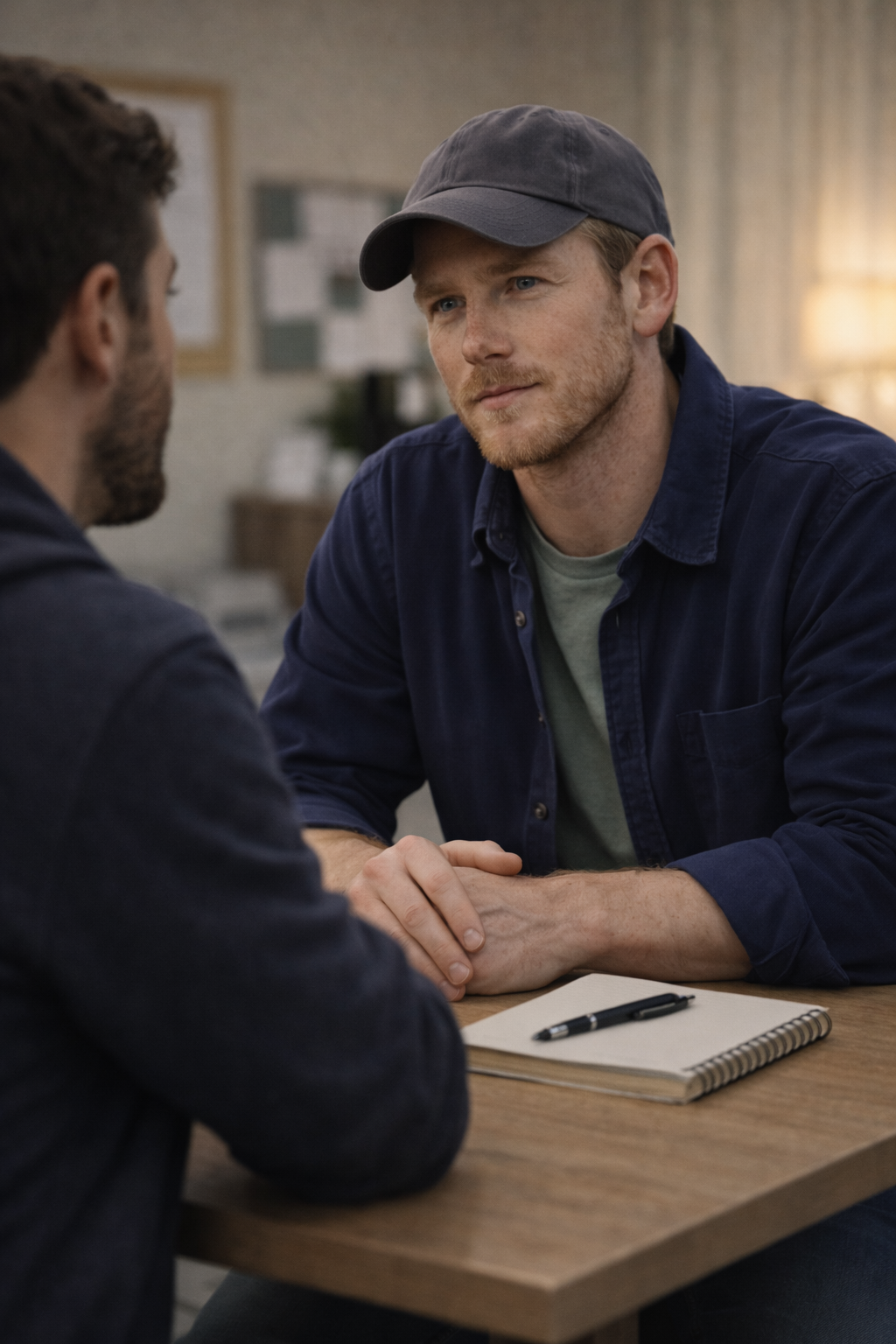
Garrett Robinson served five years in the United States Army — two tours to Afghanistan with the 10th Mountain Division during some of the heaviest fighting of the war. He came home carrying something he didn't have language for. The combat stress became PTSD. The PTSD became alcohol. The alcohol became opiates. And the shame of all of it — the belief that a man who had served should be able to hold it together — kept him silent long after he needed help. He didn't reach out. He disappeared instead. Carol searched until she found him and brought him home.
What followed was a long road — not just through addiction but through moral injury and separation from Jesus. His turning point wasn't a single moment. It was an accumulation: a peer coach who had been exactly where he was, a stable place to sleep, a counselor who actually called back, a congregation that welcomed him without conditions, and a God who refused to be done with him.
Garrett is now over two years into sustained recovery and serves as Restoring Wichita's Certified Peer Recovery Coach — walking alongside clients at the earliest and hardest stages of recovery. He is the living proof that the model works, and the clearest answer to the question every funder asks: does this organization understand the people it serves?
Every board member brings credentials that unlock a specific recovery lane — and every board member has a personal reason for being here. This is not a board assembled from a list. It is a board built for the work.
Col. Washington spent twenty-six years in the United States Army, the majority of her career at or connected to Fort Sill — the institution that defines southwest Oklahoma's military identity and anchors the Lawton economy. She served in Field Artillery and personnel roles across multiple deployments and retired to Lawton because Lawton had long since become home. She holds a Master of Public Administration from Oklahoma State University and completed the Command and General Staff College at Fort Leavenworth. After retiring, she joined the board of the Lawton Fort Sill Chamber of Commerce and the Leadership Lawton Fort Sill program. She chairs Restoring Wichita because she has spent her career organized around a single standard: you do not leave people behind.
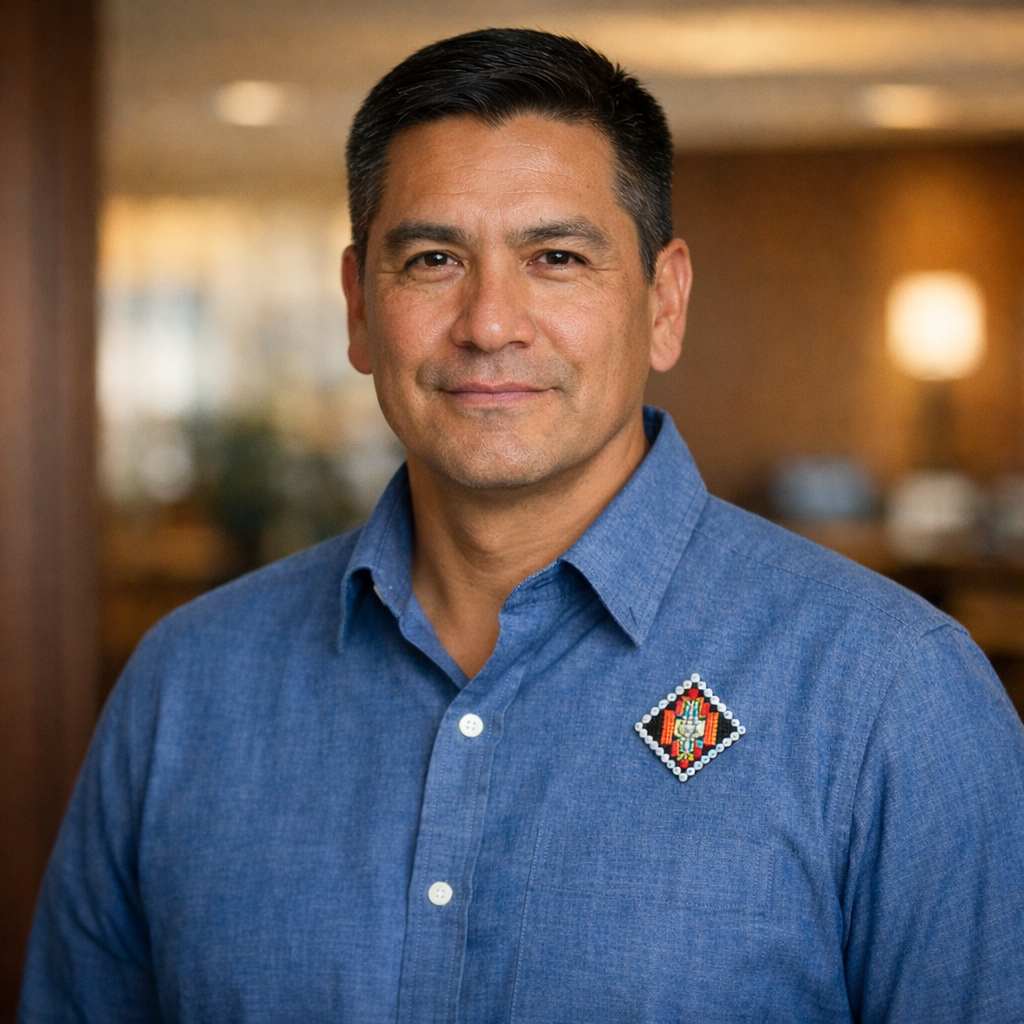
Marcus is an enrolled member of the Kiowa Indian Tribe of Oklahoma and a Certified Public Accountant serving as Financial Officer for Kiowa Tribal Enterprises, including oversight of the Kiowa Housing Authority and Kiowa Casino Operations Authority. He holds a B.B.A. in Accounting from Cameron University and is a member of the Oklahoma Society of CPAs and the Kiowa Gourd Clan. He manages public money under federal reporting requirements — the same accountability standard major grant programs require. He joined Restoring Wichita because he has watched the Kiowa community lose members to addiction and food insecurity for decades with too few organizations serving that population with both financial rigor and cultural respect simultaneously.
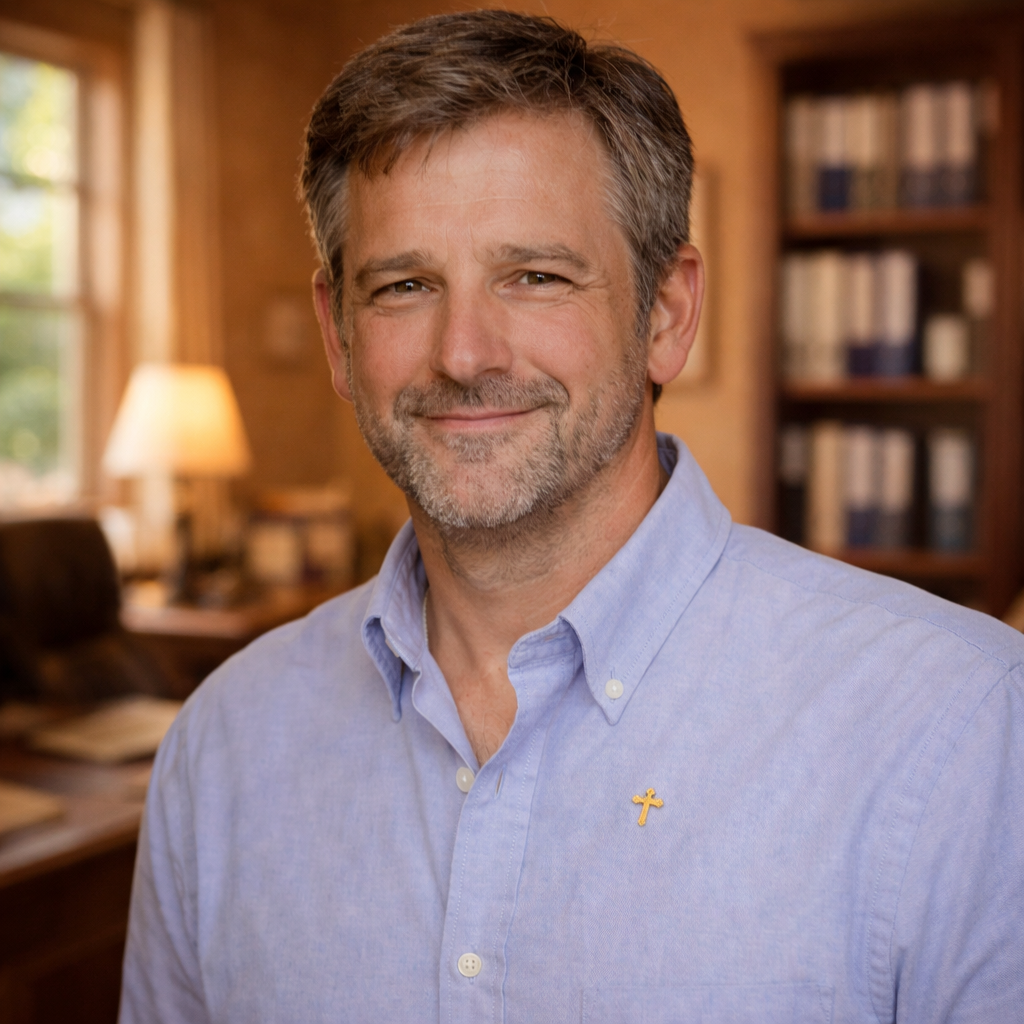
Rev. Harwell holds an M.Div. from Southwestern Baptist Theological Seminary and a B.A. in Biblical Studies from Oklahoma Baptist University. He has served as Senior Pastor of Wichita Hills Baptist Church in Lawton for twelve years and teaches adjunct Religious Studies at Cameron University. He is a board member of the United Way of Southwest Oklahoma and serves as Chaplain for the Lawton Fort Sill Chamber of Commerce Prayer Breakfast. He joined Restoring Wichita because he has watched the evangelical church community in southwest Oklahoma try to meet the recovery need through faith alone — without the peer structure and follow-through that makes recovery last — and because Carol Robinson built the organizational partner the church has been waiting for.
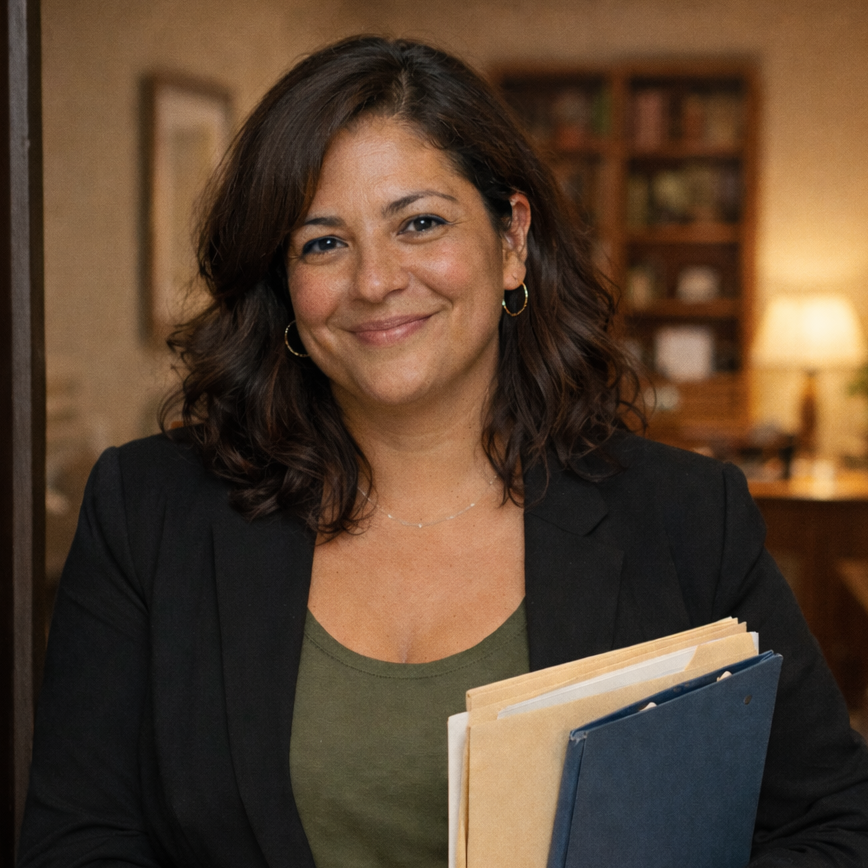
Dr. Vargas-Reyes is a Licensed Clinical Social Worker with sixteen years of experience in trauma, substance use disorders, and co-occurring mental health. She holds an M.S.W. from the University of Oklahoma and serves as a Behavioral Health Clinician at Comanche County Memorial Hospital's outpatient program in Lawton-Fort Sill, serving Hispanic agricultural communities across Comanche, Cotton, and Tillman Counties. She is bilingual in English and Spanish and a Certified Trauma-Focused CBT practitioner. She has made thousands of referrals in her career and joined Restoring Wichita because it is the first peer-led, bilingual organization she has seen that closes the gap between referral and sustained recovery with consistency.
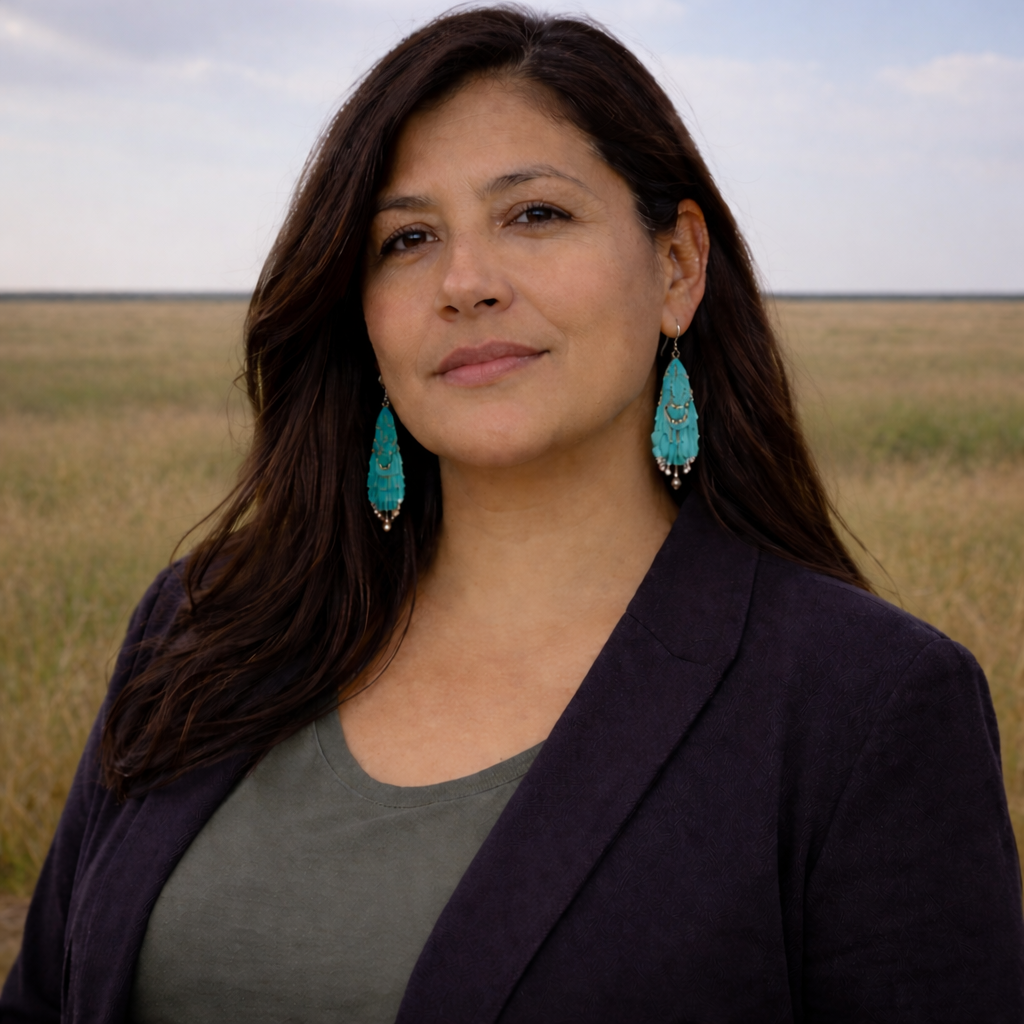
Naomi is a Certified Community Health Representative and enrolled member of the Comanche Nation of Oklahoma, where she has spent sixteen years working through the Comanche Nation Health & Wellness Department on substance use prevention, behavioral health navigation, and community wellness programs. She holds a B.S. in Health Sciences from Cameron University. Her brother served two tours in the Army and came home carrying PTSD and an addiction the VA waitlist was not equipped to address in time. She has spent her career building trust in exactly those communities — and Restoring Wichita is the first organization she has worked with that understands healing as a community event, not a clinical transaction.
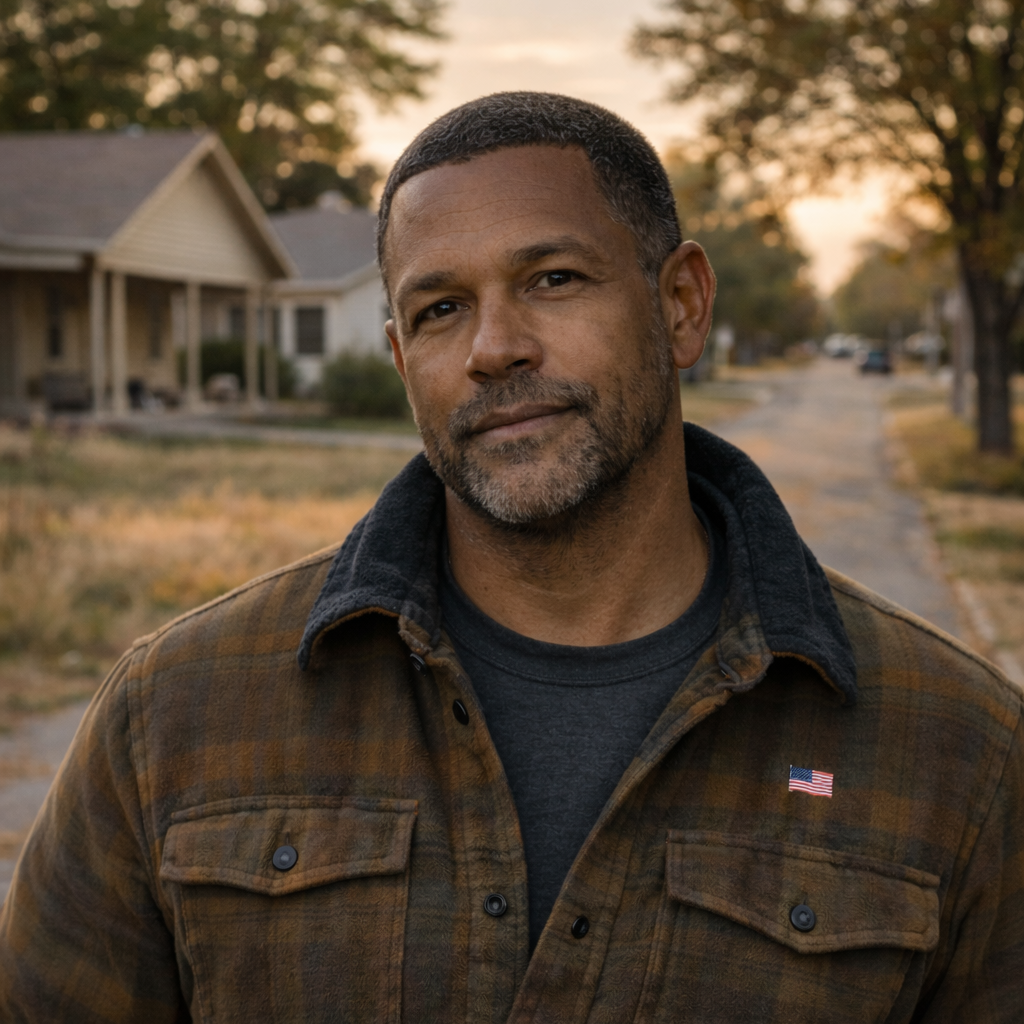
Darius served twenty-two years in the U.S. Army Field Artillery at Fort Sill and completed two tours in Iraq. He came home to a housing market that had moved on without him — and spent the next fifteen years making sure other veterans didn't fall into the same gap. He holds a B.S. in Urban Studies from Cameron University and works as Senior Housing Navigator for the Lawton Housing Authority, coordinating directly with the HUD-VASH program to connect homeless veterans in Comanche County to permanent housing. He joined Restoring Wichita because the peer coach model is the missing piece the housing system has never been able to provide — the person who stays after the keys are handed over.
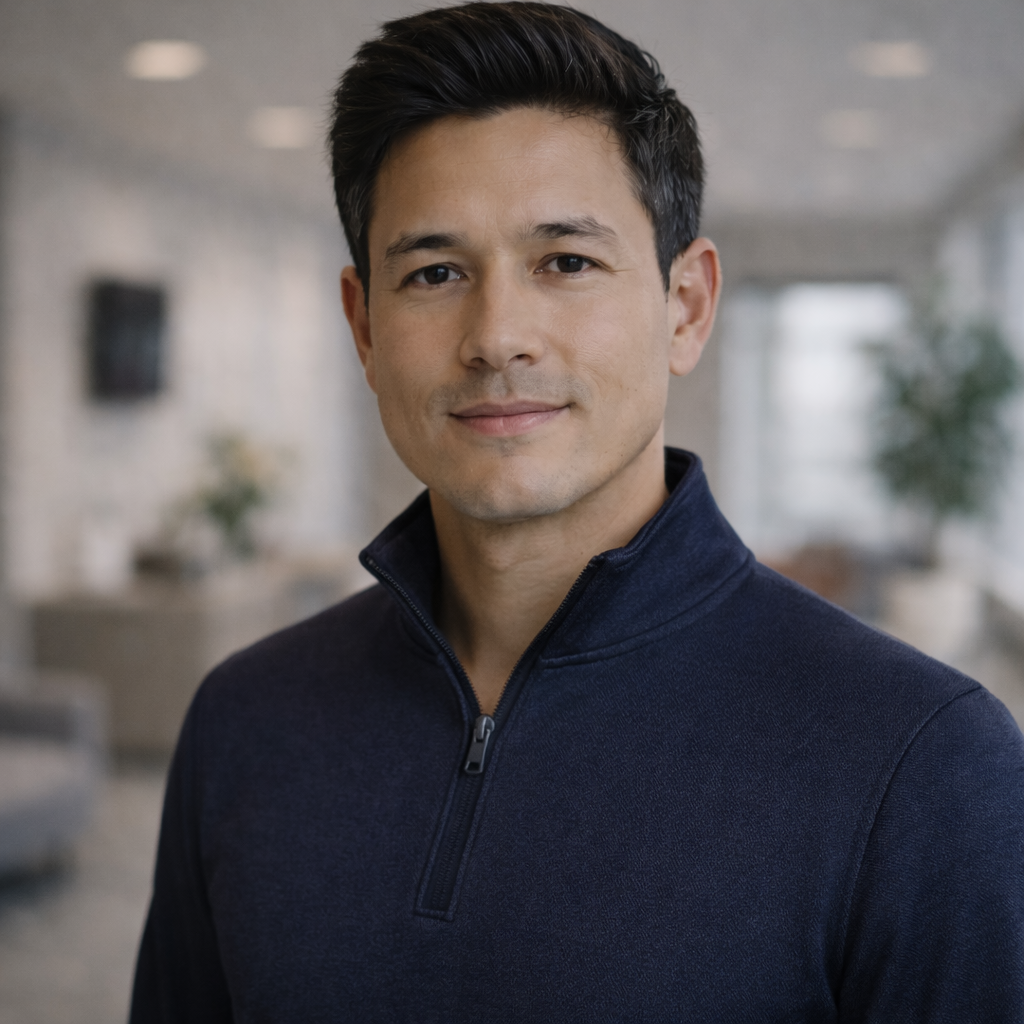
Tyler served six years in the United States Army at Fort Sill before separating and building his civilian career through Cameron University and the Lawton Fort Sill Chamber network. He now serves as Community Relations Manager at FISTA — the Fires Innovation Science and Technology Accelerator — managing corporate partnership and community engagement for southwest Oklahoma's emerging defense technology corridor. He is a board member of the Lawton Economic Development Corporation and a graduate of Leadership Lawton Fort Sill, Class of 2021. He joined Restoring Wichita because he has watched the Lawton-Fort Sill community grow economically while its recovery infrastructure stayed flat — and because he knows which corporate partners in this region have the budgets and values to change that.
Most nonprofit boards are assembled from professional networks. This one was assembled from conviction. Every person sitting on this board has a personal reason for being here — a military family they served alongside, a tribal community they have fought for, a patient they couldn't get the right referral for — that made saying yes feel less like a choice and more like a calling.
That is not a perfect board. It is an honest one. Together they are the organizational expression of what Restoring Wichita believes: that whole-person recovery requires whole-organization commitment — and that southwest Oklahoma deserves an organization built to that standard.
Restoring Wichita is committed to the governance practices that major donors and grant partners expect. Below is a plain-language overview of our structure and controls.
| Board meetings | Quarterly — with special sessions as needed. Minutes recorded and retained. |
| Executive Director | Non-voting. Carol Robinson serves without compensation in Year 1. ED compensation phased in beginning Year 2. |
| Financial oversight | Board Treasurer reviews monthly statements. All expenditures above threshold require dual authorization (ED + Treasurer). |
| Accounting | Cloud-based accounting software. Monthly reconciliation. Financial statements available to funders on request. |
| Conflict of interest | All board members sign annual conflict of interest disclosures. No voting board member receives compensation from Restoring Wichita. |
| Restricted funds | Tracked separately from general operating funds. Scope confirmed before acceptance. Closeout summary provided at period end. |
| Funder reporting | Quarterly output reports. Semi-annual outcome reports. Annual impact summary. All delivered on schedule. |
| Documents available | IRS determination letter · Board list · Financial statements · Conflict of interest policy · Logic model · Outcomes framework |
| Grant applications | Carol Robinson, MSW (Executive Director) submits all grant applications and serves as primary funder contact. Col. Renee Davis (Board Chair) serves as alternate contact for governance inquiries. |
| Site visits | Welcome — contact Carol directly to arrange a program officer visit or partner introduction. |
Every person on this board was given specific gifts for a specific work. Col. Davis for strategic leadership and military community credibility. Marcus for financial integrity and tribal community access. Rev. Harwell for faith and theological grounding. Dr. Vargas-Reyes for clinical soundness and bilingual reach. Naomi for Native community roots and the voices no one else is listening to. Sgt. Maj. Coleman for housing navigation and veteran trust. Tyler for corporate relationships and fundraising strategy. This is not a board assembled from a list. It is a board assembled by conviction — people who were equipped for exactly this work, and who said yes when they were asked to show up for the lost sheep of southwest Oklahoma.